Plumbing Planned Around How Spaces Actually Function
Plumbing Remodels and New Construction in Shreveport for projects requiring new piping, fixture installation, or gas plumbing as part of a build or renovation
Remodel and new construction plumbing differs from service calls in one fundamental way: the decisions made during rough-in determine what is possible for the life of the building. Pipe placement, drain slope, vent stack routing, and fixture rough-in locations are established while walls are open and floors are accessible—changes made after those surfaces are closed cost significantly more than getting them right the first time. The Parish Plumber provides plumbing support for remodel and new construction projects in Shreveport, covering new water supply piping, drain and vent systems, fixture installations, and gas piping for properties being built or updated.
In Shreveport, construction plumbing involves conditions that affect how systems are designed. The region's clay-heavy soil and the humidity-driven expansion and contraction cycles common to the area mean that drain lines set in or below a slab require attention to how soil movement might affect pipe position over time. Remodel projects in older Shreveport homes frequently encounter existing galvanized supply piping or cast iron drain stacks that need to be evaluated before new work is tied into them—connecting modern PVC or PEX to a degraded cast iron section without addressing the existing pipe creates a new failure point where the systems join.
Discuss your project layout with The Parish Plumber before rough-in work begins to confirm that the plumbing plan matches the intended use of the space.
Why Early Coordination in Construction Plumbing Matters
Plumbing rough-in work on a remodel or new construction project is sequenced around other trades. Drain lines are typically set first because they are gravity-dependent and their slope cannot be adjusted after the slab is poured or the subfloor is closed. Supply lines follow, routed to avoid conflict with structural members and insulated in exterior wall cavities where Louisiana's climate still produces condensation problems on cold supply pipes during cooler months. Gas piping is run after structural framing is complete, sized to serve all planned appliances from the meter connection forward. Each phase requires coordination with the project layout rather than independent decision-making at each step.
When rough-in is completed correctly, what you notice later is the absence of problems: fixtures connect without modification, water pressure is consistent at every outlet, drains clear without gurgling that indicates venting deficiencies, and gas appliances fire at rated capacity without pressure irregularities. The Parish Plumber documents rough-in locations to support future fixture installation or service work after walls are closed.
Remodel projects sometimes involve partial replumbing rather than a complete system replacement—updating a bathroom, extending a gas line to a new kitchen layout, or adding a utility connection in a space that previously had none. The scope of plumbing work in those situations is determined by what the new layout requires and what the existing system can reliably support, rather than a fixed template applied regardless of conditions.
What Contractors and Owners Ask About Construction Plumbing
The questions below reflect what property owners and those managing remodel projects in Shreveport typically want to clarify about how plumbing work fits into a construction or renovation sequence.
What plumbing work is typically completed during the rough-in phase?
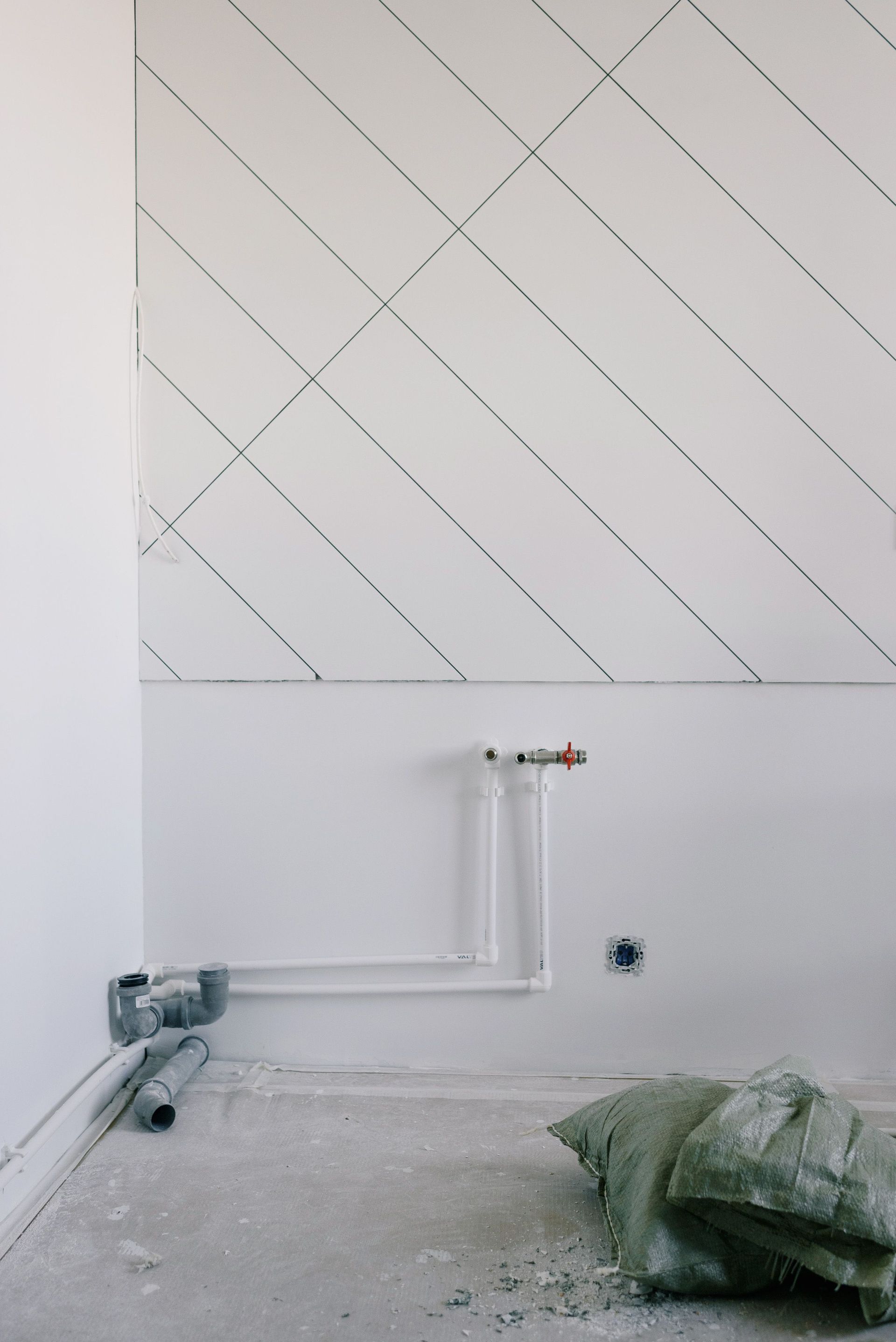
Rough-in covers setting drain, waste, and vent piping to the correct location and height for each fixture, running supply lines to those locations, and installing any in-wall components—all completed before wall surfaces are closed so that inspections can be performed and adjustments made if needed.
How does drain slope affect long-term plumbing performance in a new build?
Drain lines require a consistent slope—typically one quarter inch of drop per linear foot for horizontal runs—to move waste reliably without either backing up from insufficient slope or losing the water seal in fixture traps from excessive slope that carries water faster than solids.
When should existing galvanized supply piping be replaced during a remodel?
Galvanized steel pipe that has developed visible interior corrosion scale—identifiable by reduced flow at fixtures or orange-tinted water when first opened—should be replaced rather than tied into during a remodel, because new connections to degraded galvanized pipe accelerate corrosion at the joint.
Why does gas piping in a new construction project require sizing from the meter forward?
Each appliance on a gas system reduces the available pressure for appliances further along the run; sizing begins at the meter because the total demand of all connected equipment determines the minimum pipe diameter at each segment, and undersizing any upstream section affects every appliance it feeds.
How does Shreveport's climate affect pipe material choices in new construction?
The combination of high humidity, periodic freeze events, and soil movement common to the Shreveport area influences material selection for both supply and drain systems—PEX supply piping, for instance, handles freeze-thaw cycles with more tolerance than rigid CPVC in exterior or semi-conditioned spaces.
The Parish Plumber works through remodel and new construction plumbing systematically, beginning with what the finished space needs to accomplish and working backward through the rough-in decisions that make that function possible. Call (318) 990-9858 to arrange a project consultation and review your plumbing layout before work begins.