Kitchen Plumbing That Handles Daily Functional Demands
Garbage Disposal and Appliance Plumbing in Shreveport for disposals that have stopped working, leaking connections, or appliance plumbing that needs professional correction
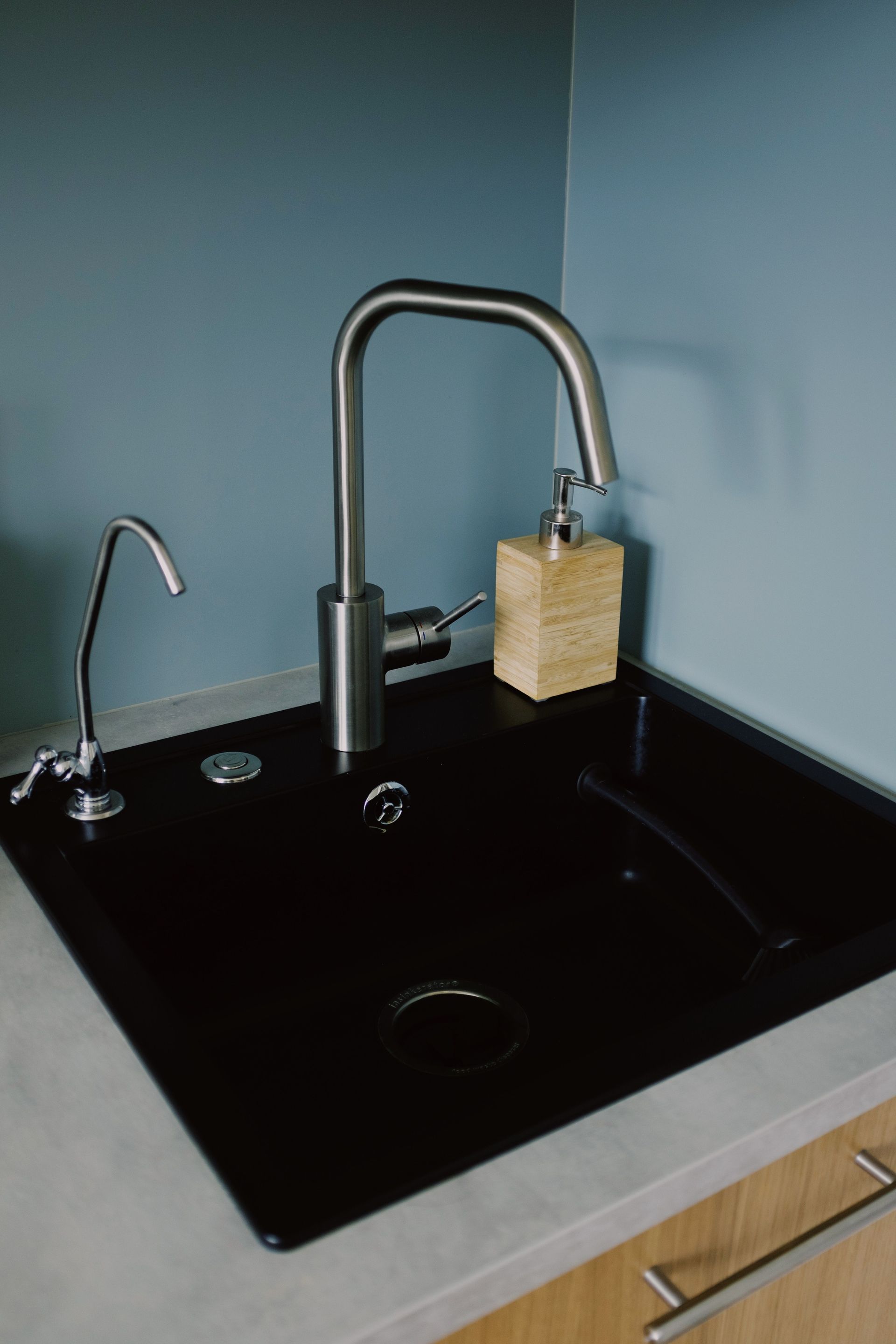
A garbage disposal that hums without grinding, leaks from its mounting collar, or trips its reset button repeatedly is telling you something specific about what has failed internally or at its plumbing connections. The Parish Plumber provides garbage disposal repair and appliance plumbing services for kitchens in Shreveport where these problems have made normal use impractical. Kitchen plumbing at the sink and disposal area involves multiple connection points—the drain tailpiece, the discharge outlet, the dishwasher inlet, and the mounting assembly—each of which can become the source of a separate problem.
Disposal failures follow recognizable patterns. A unit that hums but does not spin has a jammed grinding plate, which can sometimes be freed by manually rotating the flywheel from the access point at the base of the unit—but if the jam recurs or the motor fails to develop torque even after clearing, the unit requires replacement rather than repeated resets. Leaks from the sink flange at the top of the disposal indicate that the mounting gasket or putty seal has failed, while leaks at the side outlet near the dishwasher connection point typically involve a loose hose clamp or a cracked fitting. Identifying which failure point is active determines whether the repair involves the mounting, the internal components, or the drain connections running from the disposal to the branch drain below the sink.
Request a disposal and kitchen plumbing assessment to identify exactly where the failure is occurring and what the correction requires.
What Garbage Disposal Service Actually Accomplishes
Garbage disposal repair covers the plumbing components directly—the mounting assembly, drain connections, discharge plumbing, and the connections shared with adjacent appliances like dishwashers that route their drain through the disposal inlet. During a service call, the plumbing connections are inspected along with the unit itself, because a disposal that appears to be functioning can still be allowing slow seepage at a slip joint below the sink that goes unnoticed until it has caused cabinet floor damage. Tightening or replacing those connections is part of restoring the system to reliable operation rather than just addressing the symptom that prompted the call.
After disposal and drain plumbing corrections are completed, the observable changes are straightforward: the unit runs without tripping, water does not appear under the sink during or after use, and the dishwasher drains completely without backing up into the disposal chamber. The Parish Plumber verifies each connection point under running water and through a full disposal cycle before the service is finished.
Appliance plumbing in the kitchen also covers the connection points for appliances that tie into the household water supply or drain system, where professional plumbing work is part of a proper installation. These connections require correctly sized supply lines, appropriate shutoff valves, and drain routing that meets code requirements—details that affect long-term reliability more than the appliance selection itself does.
Answers to Frequent Disposal and Kitchen Plumbing Questions
The following questions address the practical details most Shreveport homeowners want to understand about disposal and kitchen plumbing service before scheduling work.
How do I know if my garbage disposal needs repair or full replacement?
A disposal that trips repeatedly, leaks from the body of the unit rather than the connections, or fails to develop grinding torque even after clearing a jam is typically at the end of its serviceable life—connection and mounting issues, by contrast, are generally repairable without replacing the unit.
What causes disposal leaks at the sink flange?
The sink flange sits between the disposal and the sink basin and is sealed with plumber's putty or a rubber gasket; when this seal degrades or the mounting ring loosens over time, water migrates down the outside of the disposal body and pools at the bottom of the sink cabinet.
Why does a dishwasher sometimes back up when the disposal is not working correctly?
Most dishwashers drain through a hose connected to the disposal inlet port; when the disposal is jammed, replaced without knocking out the inlet knockout plug, or has a blocked discharge outlet, dishwasher water has no clear path and backs up into the appliance or through the air gap.
When should supply and drain connections for kitchen appliances be replaced?
Supply lines with visible corrosion at the braided sheath, drain hoses that have hardened or cracked, and shutoff valves that cannot be fully operated are candidates for replacement regardless of whether they are currently leaking—a valve that cannot close is not functional during an emergency.
How does Shreveport's humidity affect under-sink plumbing components?
Persistent cabinet humidity from minor drips that go undetected accelerates deterioration of particle board cabinet floors and causes slip joint washers to swell and distort, which is why a cabinet inspection during any disposal service call often reveals secondary issues that were not the original reason for the visit.
The Parish Plumber addresses disposal and kitchen plumbing problems by working through every connection point in the area—not just the one that prompted the call. To set up a service visit for your Shreveport kitchen, call (318) 990-9858 and describe what you are seeing.