Gas Piping Work That Requires No Guesswork
Gas Line Installation and Repair in Shreveport for properties adding new equipment or dealing with failing piping
The Parish Plumber provides gas line installation and repair for residential and commercial properties in Shreveport, covering both new gas piping runs and corrections to existing systems that are no longer performing correctly. Properties that are adding gas-powered appliances, extending service to outbuildings, or noticing pressure irregularities in connected equipment are the situations where this work becomes necessary. Gas piping tolerates no shortcuts in how it is sized, routed, or connected—each decision in the installation affects how reliably downstream equipment operates.
Gas line work begins with assessing what the piping is being asked to do. In the Shreveport area, older properties often have existing gas distribution systems that were sized for a smaller appliance load—adding a generator connection, a gas range, or an outdoor cooking setup to an undersized main line produces pressure drops that prevent connected equipment from operating at rated capacity. New installations require calculating the total BTU demand across all connected appliances, then sizing pipe diameter and selecting appropriate fittings to maintain consistent pressure throughout the run. Repairs to existing lines involve tracing the system to identify where joints have degraded, where pipe has corroded, or where a connection has worked loose.
Request a professional gas line assessment to identify what your property requires before any equipment is connected or piping is extended.
What Proper Gas Line Service Requires
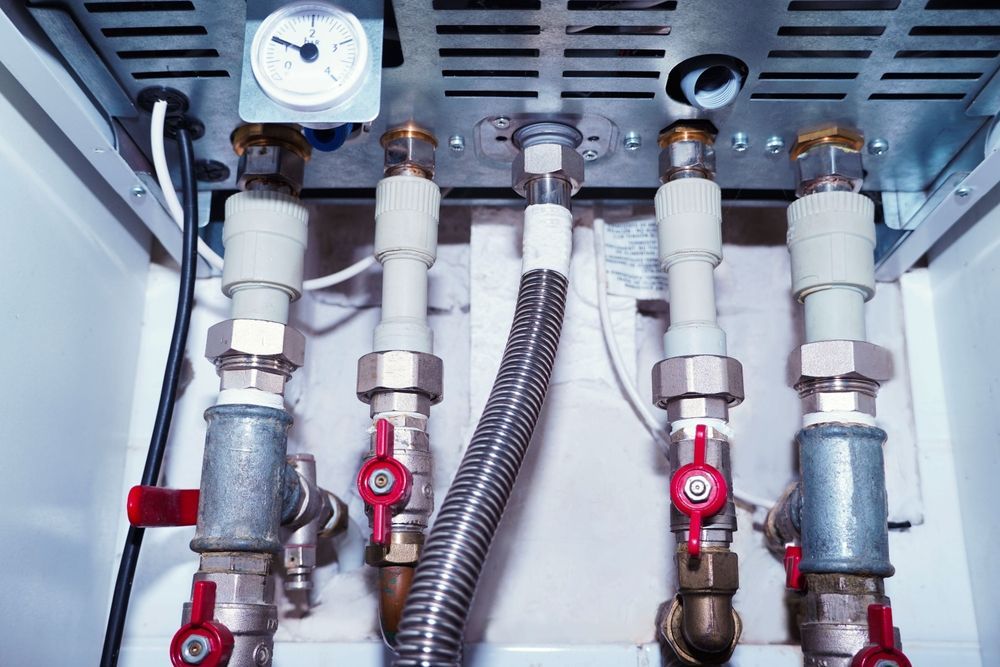
Gas piping is installed using materials and joining methods appropriate to the specific run—black iron pipe remains standard for most interior distribution, while CSST (corrugated stainless steel tubing) is used in situations where routing flexibility matters, such as navigating finished walls or accommodating seismic movement. Each material requires different handling, different fittings, and different support intervals along the run. The choice between them is not cosmetic; it affects how the system behaves under pressure cycling and physical stress over time.
After installation or repair work is complete, you will notice that connected appliances ignite consistently, maintain stable flame output, and no longer show signs of starved combustion—symptoms like delayed ignition or yellow burner flames that indicated inadequate gas flow. The Parish Plumber pressure-tests completed gas line work to confirm the system holds without measurable loss before any appliance is reconnected.
Gas line projects vary in scope depending on how many appliances are being served, whether the service enters through an existing meter connection or requires meter work coordinated with the utility, and whether the piping runs through finished or unfinished spaces. Understanding those variables before work begins determines the correct approach and prevents rework once piping is in place.
Common Questions About Gas Line Service
The following questions address what property owners in Shreveport typically want to understand before scheduling gas line work.
What signs indicate a gas line needs professional attention?
Appliances that ignite slowly, burners that produce inconsistent flame height, or a detectable sulfur odor near piping or connections are observable indicators that the gas distribution system requires inspection before further use.
How is the correct pipe size determined for a new gas line?
Pipe sizing is calculated based on the total BTU demand of all appliances sharing the run, the length of the pipe from the meter, and allowable pressure drop—undersizing any segment restricts flow to every appliance downstream.
What happens during a gas line pressure test?
A pressure test involves isolating the completed piping segment, introducing a measured charge of air or inert gas, and monitoring a gauge over a set interval to confirm the system retains pressure without loss at any joint or connection point.
When is CSST used instead of black iron pipe for gas distribution?
CSST is typically selected when routing requires navigating through tight or finished spaces where rigid pipe would require excessive fittings, though installation must follow specific bonding requirements that differ from those applied to black iron.
Why does Shreveport's older housing stock affect gas line repair planning?
Many properties in established Shreveport neighborhoods were built with cast iron or early steel gas distribution that has exceeded its practical service life, meaning repairs sometimes require replacing a longer section of pipe rather than addressing only the visible failure point.
The Parish Plumber works through each gas line project systematically—assessing the existing system, determining what the piping needs to support, and completing the installation or repair with materials and methods appropriate to the application. Contact The Parish Plumber at (318) 990-9858 to discuss your gas line needs and schedule a property evaluation.